Why after-hours leads are the most expensive leak in a small business
Interest doesn't keep business hours. Here's what the data says about when you actually lose customers, and what it takes to stop.
Open your inbox most mornings and you'll find it: a question that arrived at 11 PM, or over the weekend, from someone who was ready to become a client. By the time you reply, hours have already passed. Often, they've already heard back from someone else.
Nothing was done wrong here. The business was simply closed while the customer was shopping. That gap, small as it looks on a single night, is one of the largest and least visible sources of lost revenue for independent professionals and small businesses.

Interest doesn't clock out at 5 PM
People research who they'll hire in the moments they actually have free time: after dinner, on a Sunday afternoon, during a lunch break at their own job. For a consultant, a clinic, a real estate agent, or a coach, that means a meaningful share of genuine interest shows up entirely outside standard business hours — precisely when there's no one there to answer.
This isn't a niche problem. It's structural, and it's getting bigger as more of the economy shifts toward independent work:
Americans freelance today — 27.6M of them full time.1
US independents earning $100K+ a year, for whom one missed client is a real loss.2
The US coaching industry alone, more than doubled in size since 2016.3
Every one of these professionals is also their own sales team. There's no shift handoff, no night receptionist, no team covering the gap between "closing time" and "open tomorrow."
The market has already put a price on this
You can see the value of "never missing a lead" priced directly: the AI receptionist category — 15 or more platforms selling roughly the same promise over the phone instead of chat — charges $29 to $500 a month, with $49/month a common flat rate.4 Small businesses are already budgeting for this job to be done. The willingness to pay isn't a hypothesis; it's an existing market.
The revenue isn't lost to a better competitor. It's lost to silence.
What closing the gap actually looks like
Answering after hours only matters if the answer is trustworthy and the response is fast enough to matter. That means three things have to be true at once:
- The answer has to be accurate. A chatbot that guesses, or a static FAQ that can't handle a real question, doesn't convert — it just changes the shape of the disappointment.
- The lead has to reach you immediately, not sit in a form-submission inbox until Monday. Speed-to-lead is most of what separates a booked meeting from a lead who moved on.
- The follow-through has to be real. A booking link offered at the right moment, or one honest follow-up to someone who went quiet, converts far more often than silence ever will.
That's the entire mechanism behind an always-on, grounded AI agent: not a gimmick that talks at 2 AM, but a representative that answers only from what you've approved, captures the person who was ready to talk, and gets them in front of you the moment you're back online.
The arithmetic, worked through honestly
If a practice captures 30 after-hours leads a month, closes 10% of its leads, and earns $2,000 per client, that's roughly $6,000 a month that used to evaporate overnight. That's an illustration, not a promise — the real number depends entirely on your own traffic, close rate, and deal value. But the shape of the arithmetic holds for almost any service business: leads × close rate × deal value, applied to hours that are currently worth nothing.
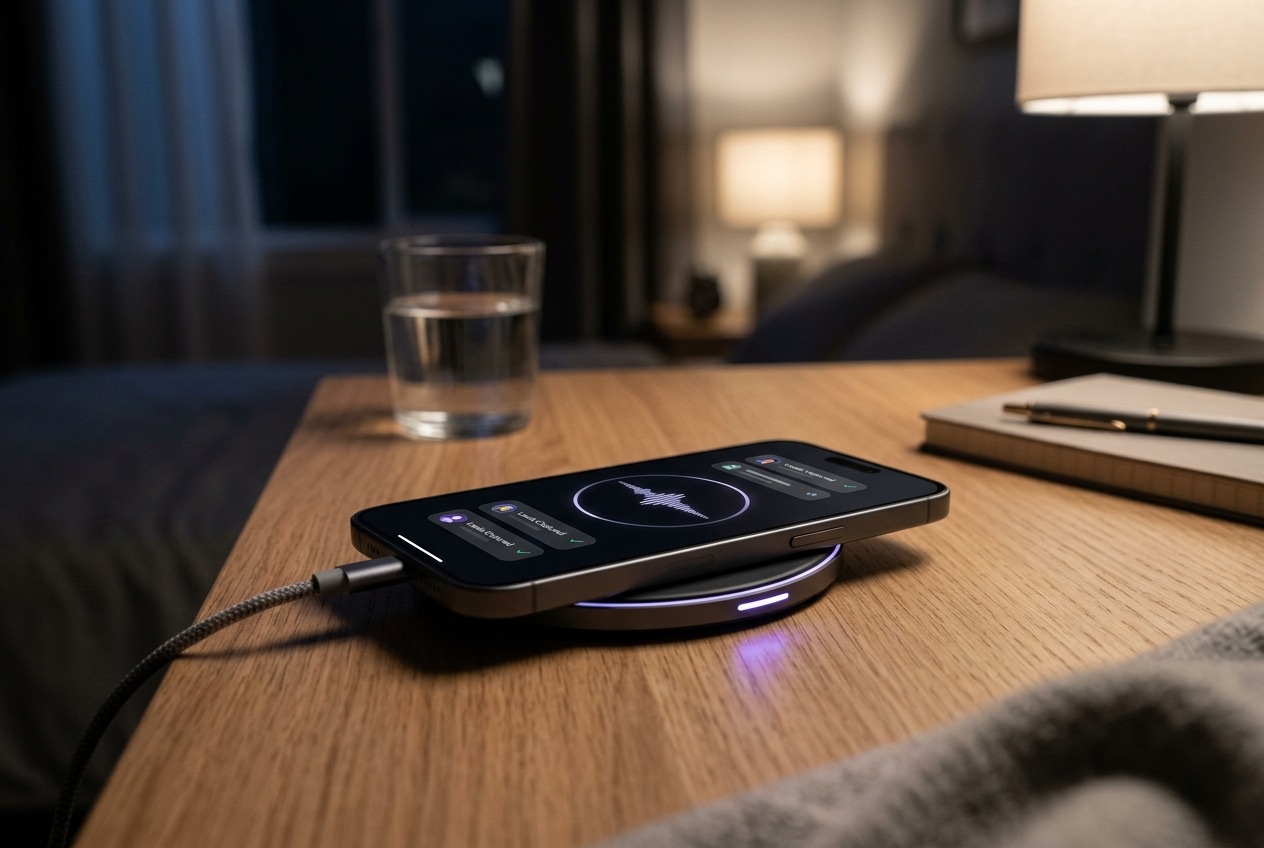
The fix isn't working more hours. It's making sure the hours you're not working stop being a cost.